From Gut Health to Glucose Balance: How Microbiome Insights Transform Client Care

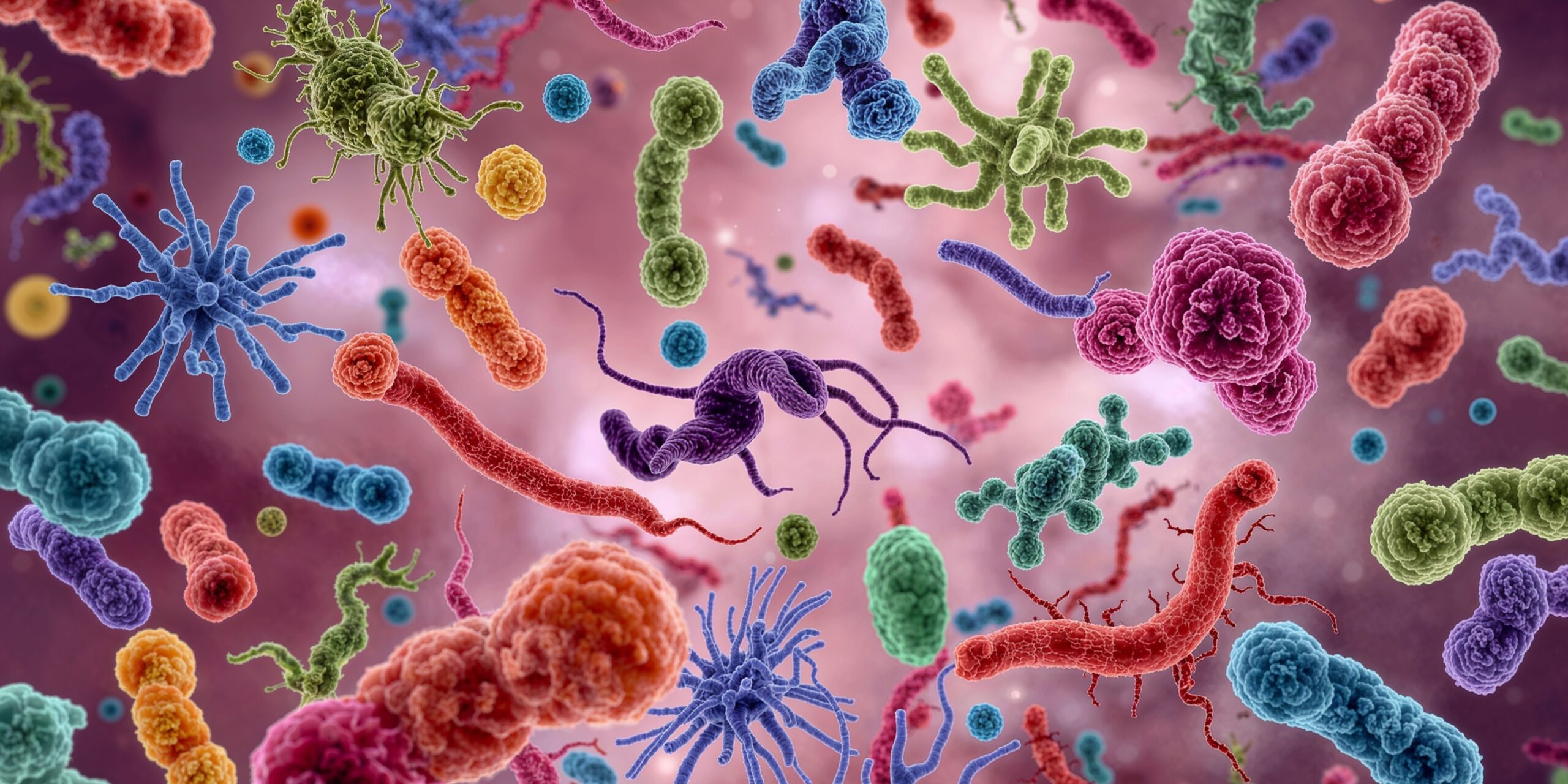
Research on glycemic health is ever-changing and growing. Recent studies have emphasized the role of gut microbiome being the game-changer in the journey to long-term glycemic health. An individual’s gut microbial composition influences glucose metabolism, inflammation and insulin sensitivity, which makes working with the microbiome the go-to plan for treatment and to improve outcomes (1).

Clinically, what does this mean?

Personalized dietary interventions that enhance the growth of fiber-fermenting gut bacteria [the microbes responsible for producing short-chain fatty acids (SCFAs)] have been shown to positively influence insulin resistance and overall metabolic health.

Recent clinical trials and systematic reviews have reported measurable improvements in HOMA-IR (Homeostatic Model Assessment for Insulin Resistance) – a key indicator of how effectively the body uses insulin to regulate blood glucose, as well as reductions in fasting insulin levels following targeted microbiome-focused strategies. These strategies typically include increased dietary fiber intake, prebiotics, synbiotics, and certain probiotic formulations (2).

While these findings are encouraging and support the gut microbiome as a meaningful adjunct to diabetes management, they are not substitutes for standard, evidence-based diabetes care.

In India, this approach aligns naturally with our dietary patterns. Incorporating millets, pulses, and traditional fermented foods such as dahi, idli, and dosa provides both prebiotic fibers and beneficial live microbes, supporting a more resilient gut ecosystem. Emerging evidence also indicates that millets and regional fermented staples can positively influence gut microbiome composition (3).

India-specific clinical studies have further shown that multistrain probiotic supplementation may improve glycemic parameters in individuals with Type 2 Diabetes – particularly when integrated with comprehensive care that includes nutrition, physical activity, and medication review (4). As always, it is essential to evaluate the strain specificity, dosage, and duration of probiotic trials before making supplementation recommendations.

At the same time, it is important to recognize the limitations of current microbiome research. The field is still evolving, and findings can be heterogeneous. Therefore, microbiome-focused strategies should be applied thoughtfully:

  1. Personalize fiber goals,
  2. Leverage culturally appropriate fermented foods,
  3. Monitor metabolic indicators such as HbA1c and HOMA-IR, and
  4. Work closely with physicians to optimize medication management

When integrated responsibly into practice, microbiome-informed nutrition can significantly enhance long-term glycemic control and improve client adherence.

Key actions for a better clinical outcome:

  1. When taking patient history, always check for the existence of any gut related symptoms like acidity/bloating/irregular bowel/constipation.
  2. Ensure adding healthy probiotics (fermented vegetables, curd, buttermilk etc.) together with fiber/prebiotics, healthy fats, as well as vitamins like (C, D, A, B-vitamins) and minerals like Zinc and Magnesium.
  3. If the gut-related symptoms persist for a long time, plan for a detailed Microbiome testing, together with inclusion of supplements like Zinc carnosine, L-glutamine and Omega-3.

Want to collaborate or know more about ReeCoach?

Let’s connect and build the future of nutrition together – Contact us here

References:

  1. Crudele, L., Gadaleta, R. M., Cariello, M., & Moschetta, A. (2023). Gut microbiota in the pathogenesis and therapeutic approaches of diabetes. EBioMedicine97.
  2. Vakilpour, A., Amini-Salehi, E., Soltani Moghadam, A., Keivanlou, M. H., Letafatkar, N., Habibi, A., … & Samethadka Nayak, S. (2024). The effects of gut microbiome manipulation on glycemic indices in patients with non-alcoholic fatty liver disease: a comprehensive umbrella review. Nutrition & diabetes, 14(1), 25.
  3. Jacob, J., Krishnan, V., Antony, C., Bhavyasri, M., Aruna, C., Mishra, K., … & Visarada, K. B. (2024). The nutrition and therapeutic potential of millets: an updated narrative review. Frontiers in nutrition, 11, 1346869.
  4. Chaithanya, V., Kumar, J., Vajravelu Leela, K., Ram, M., & Thulukanam, J. (2024). Impact of Multistrain Probiotic Supplementation on Glycemic Control in Type 2 Diabetes Mellitus—Randomized Controlled Trial. Life, 14(11), 1484.

Latest Blogs

From Gut Health to Glucose Balance: How Microbiome Insights Transform Client Care

Research on glycemic health is ever-changing and growing. Recent studies have emphasized the role of gut microbiome being the game-changer in the journey to long-term glycemic health. An individual’s gut microbial composition influences glucose metabolism, inflammation and insulin sensitivity, which makes working with the microbiome the go-to plan for treatment and to improve outcomes (1).

Clinically, what does this mean?

Personalized dietary interventions that enhance the growth of fiber-fermenting gut bacteria [the microbes responsible for producing short-chain fatty acids (SCFAs)] have been shown to positively influence insulin resistance and overall metabolic health.

Recent clinical trials and systematic reviews have reported measurable improvements in HOMA-IR (Homeostatic Model Assessment for Insulin Resistance) – a key indicator of how effectively the body uses insulin to regulate blood glucose, as well as reductions in fasting insulin levels following targeted microbiome-focused strategies. These strategies typically include increased dietary fiber intake, prebiotics, synbiotics, and certain probiotic formulations (2).

While these findings are encouraging and support the gut microbiome as a meaningful adjunct to diabetes management, they are not substitutes for standard, evidence-based diabetes care.

In India, this approach aligns naturally with our dietary patterns. Incorporating millets, pulses, and traditional fermented foods such as dahi, idli, and dosa provides both prebiotic fibers and beneficial live microbes, supporting a more resilient gut ecosystem. Emerging evidence also indicates that millets and regional fermented staples can positively influence gut microbiome composition (3).

India-specific clinical studies have further shown that multistrain probiotic supplementation may improve glycemic parameters in individuals with Type 2 Diabetes – particularly when integrated with comprehensive care that includes nutrition, physical activity, and medication review (4). As always, it is essential to evaluate the strain specificity, dosage, and duration of probiotic trials before making supplementation recommendations.

At the same time, it is important to recognize the limitations of current microbiome research. The field is still evolving, and findings can be heterogeneous. Therefore, microbiome-focused strategies should be applied thoughtfully:

  1. Personalize fiber goals,
  2. Leverage culturally appropriate fermented foods,
  3. Monitor metabolic indicators such as HbA1c and HOMA-IR, and
  4. Work closely with physicians to optimize medication management

When integrated responsibly into practice, microbiome-informed nutrition can significantly enhance long-term glycemic control and improve client adherence.

Key actions for a better clinical outcome:

  1. When taking patient history, always check for the existence of any gut related symptoms like acidity/bloating/irregular bowel/constipation.
  2. Ensure adding healthy probiotics (fermented vegetables, curd, buttermilk etc.) together with fiber/prebiotics, healthy fats, as well as vitamins like (C, D, A, B-vitamins) and minerals like Zinc and Magnesium.
  3. If the gut-related symptoms persist for a long time, plan for a detailed Microbiome testing, together with inclusion of supplements like Zinc carnosine, L-glutamine and Omega-3.

Want to collaborate or know more about ReeCoach?

Let’s connect and build the future of nutrition together – Contact us here

References:

  1. Crudele, L., Gadaleta, R. M., Cariello, M., & Moschetta, A. (2023). Gut microbiota in the pathogenesis and therapeutic approaches of diabetes. EBioMedicine97.
  2. Vakilpour, A., Amini-Salehi, E., Soltani Moghadam, A., Keivanlou, M. H., Letafatkar, N., Habibi, A., … & Samethadka Nayak, S. (2024). The effects of gut microbiome manipulation on glycemic indices in patients with non-alcoholic fatty liver disease: a comprehensive umbrella review. Nutrition & diabetes, 14(1), 25.
  3. Jacob, J., Krishnan, V., Antony, C., Bhavyasri, M., Aruna, C., Mishra, K., … & Visarada, K. B. (2024). The nutrition and therapeutic potential of millets: an updated narrative review. Frontiers in nutrition, 11, 1346869.
  4. Chaithanya, V., Kumar, J., Vajravelu Leela, K., Ram, M., & Thulukanam, J. (2024). Impact of Multistrain Probiotic Supplementation on Glycemic Control in Type 2 Diabetes Mellitus—Randomized Controlled Trial. Life, 14(11), 1484.

Latest Blogs

A partnership which only gives and takes nothing

A partnership which only gives and takes nothing